January 17, 2026
Your South African Safari Packing Guide
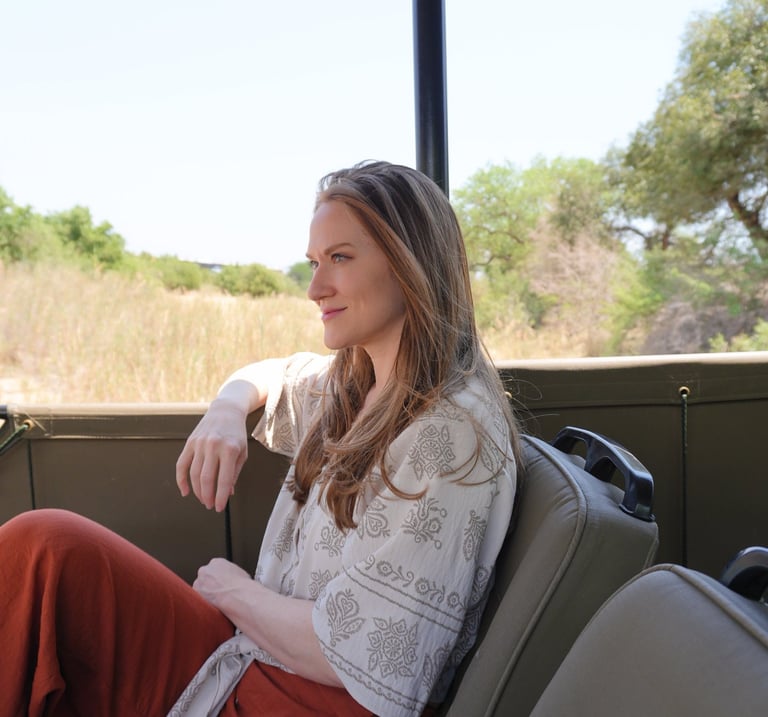
A simple, stylish, and thoughtful way to prepare for the bush.
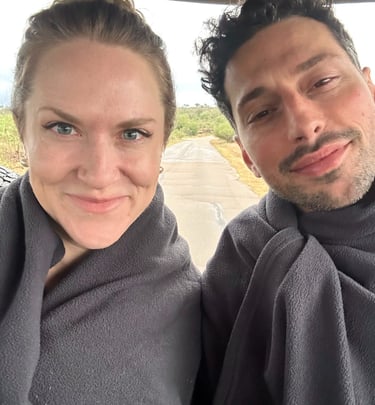
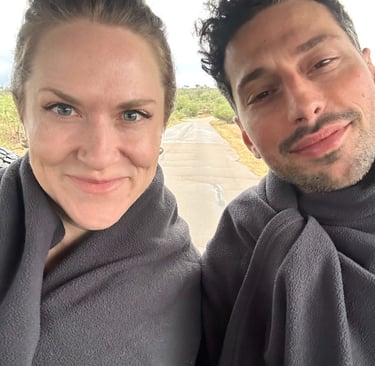
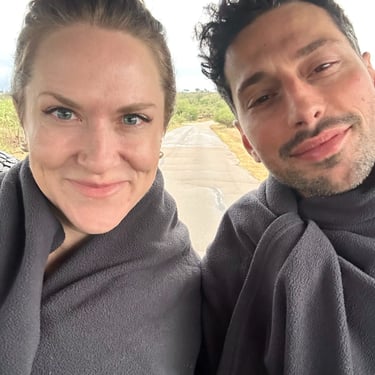
There is a very specific kind of magic on safari. The sky glows, the birds begin their morning conversations, and you are wrapped in a blanket in the back of an open vehicle, wondering how it can feel this cold in Africa. Packing for that moment should feel effortless. You do not need a brand-new safari wardrobe. You just need a few pieces that keep you comfortable, confident, and ready for the adventure ahead.
Colors and Clothing
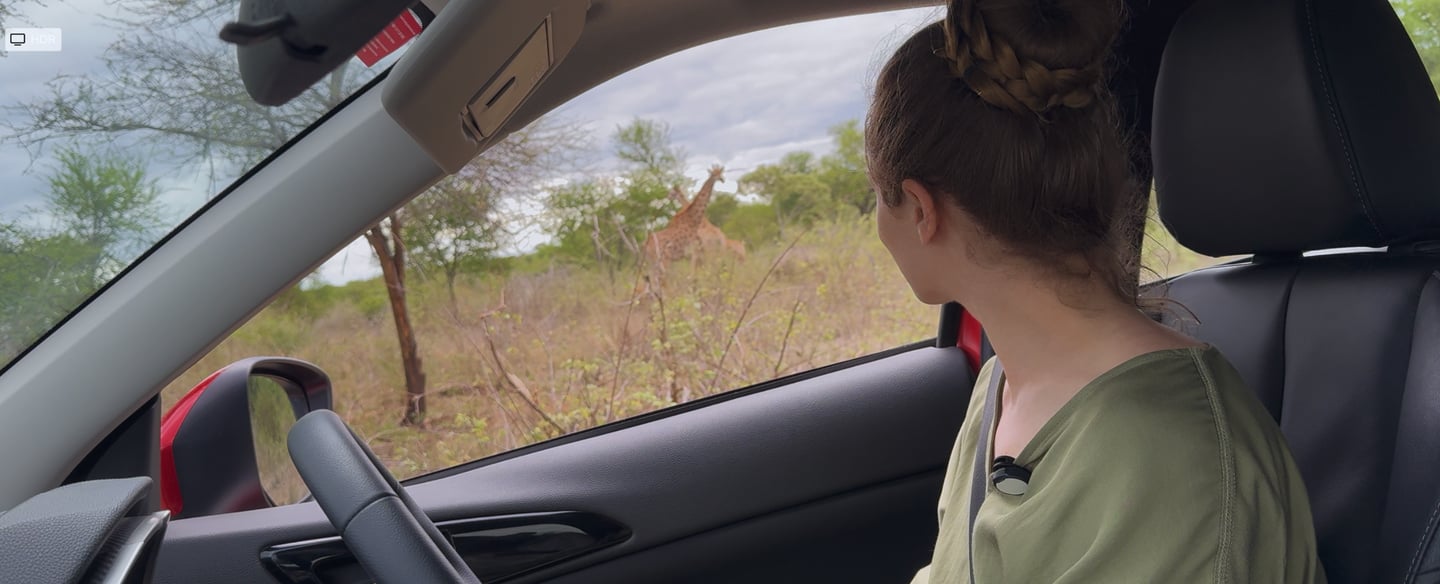
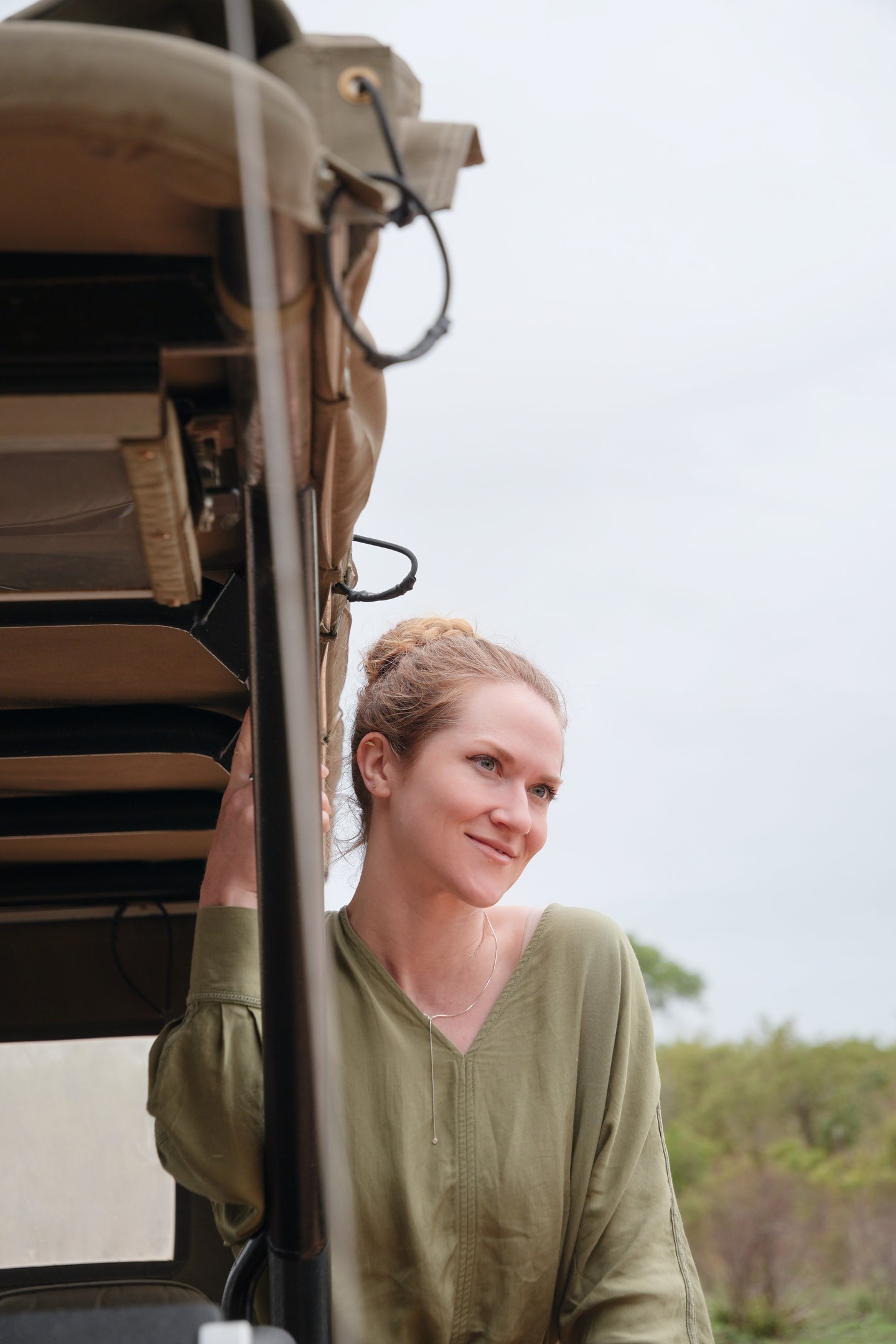
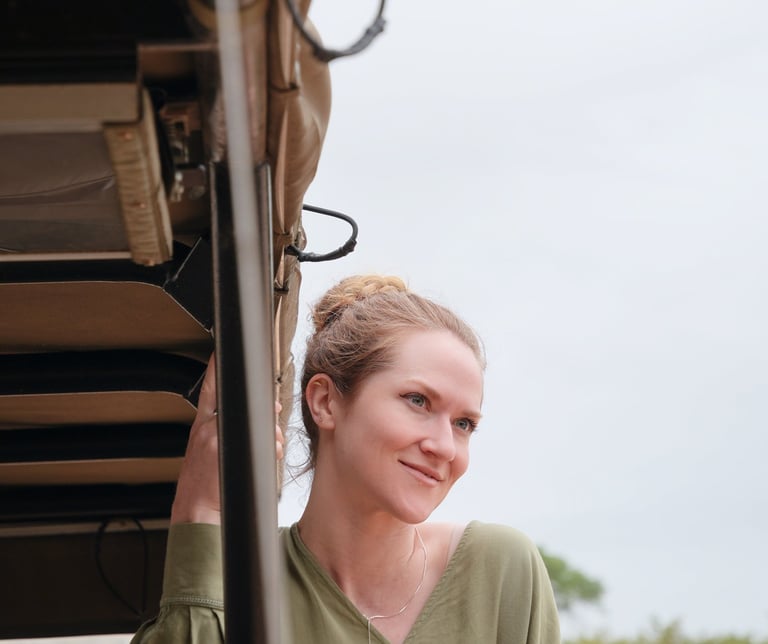
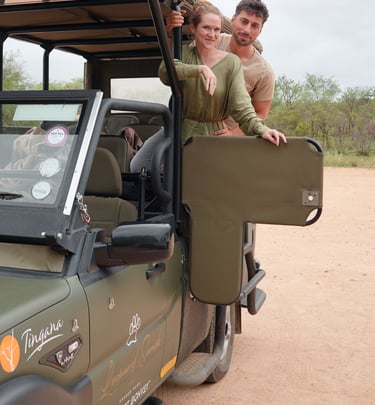
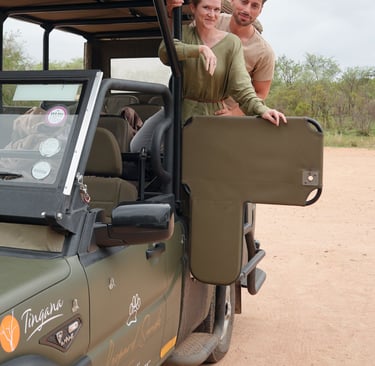
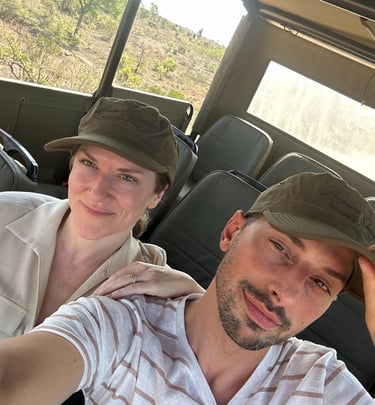
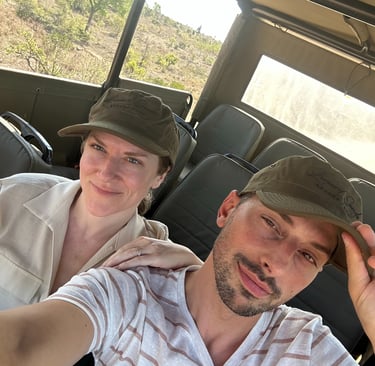
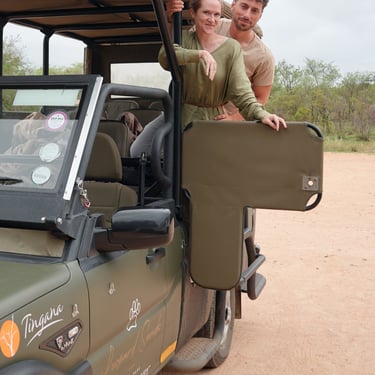
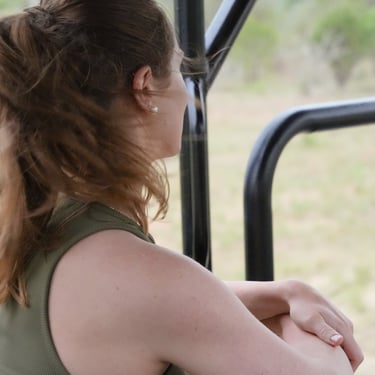
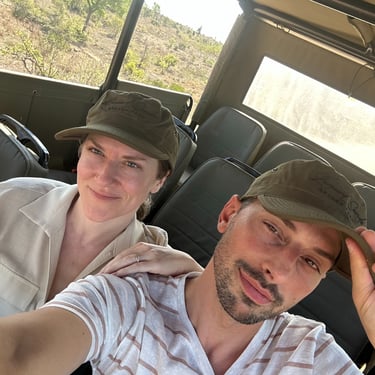
Neutrals are your best friend on safari. Shades like olive, tan, cream, sand, and soft browns are comfortable, practical, and photograph beautifully. They help you feel part of the landscape without standing out.
Avoid camouflage patterns. Even though they may feel “safari appropriate,” in many parts of Africa camouflage is associated with military or security forces. Wearing it can make staff or local communities uneasy, which is the last thing you want when everyone is focused on enjoying the wildlife.
Skip black, bright blues, and flashy colors. These tend to attract insects and make you more visible to animals than you might want.
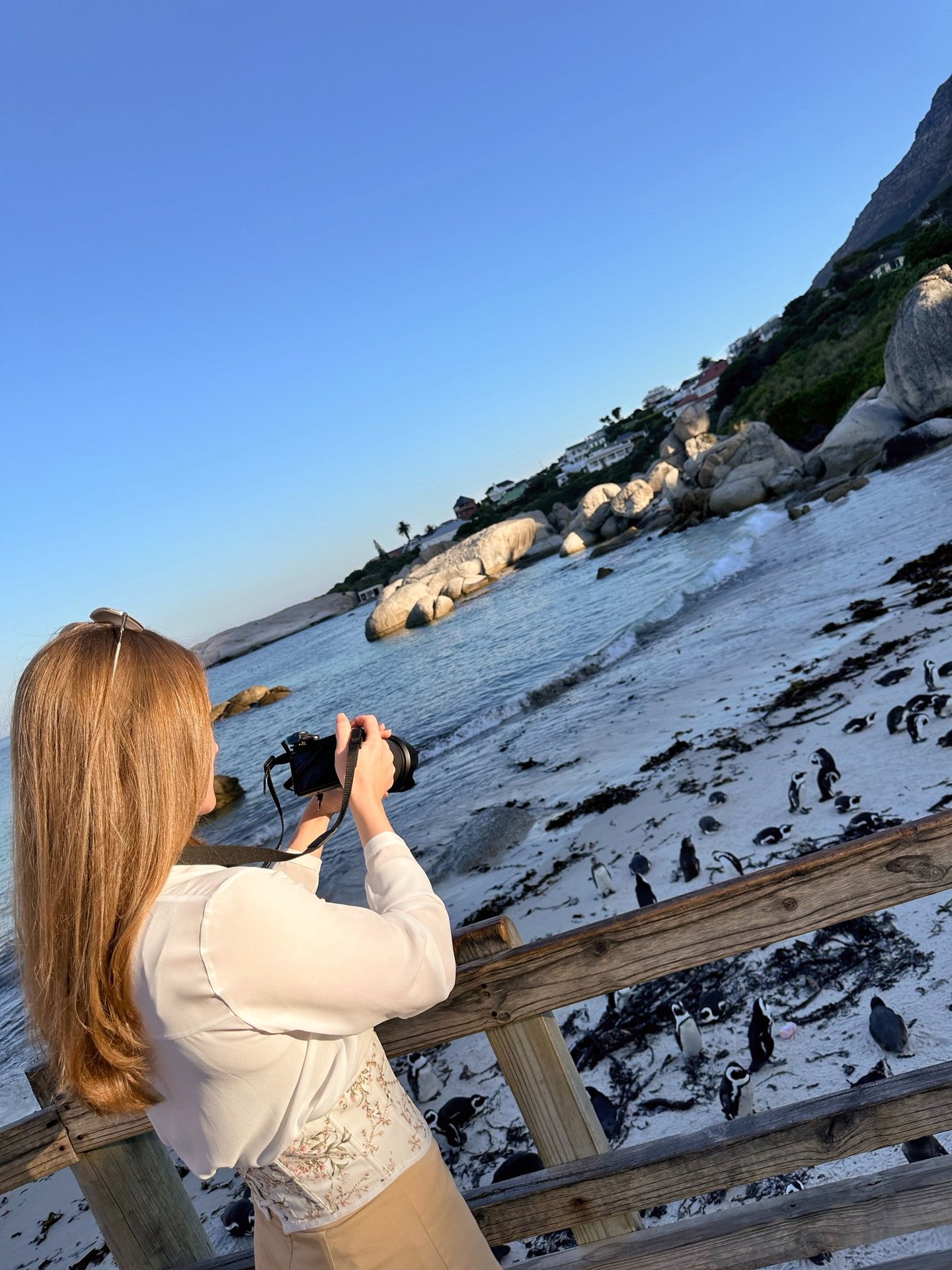
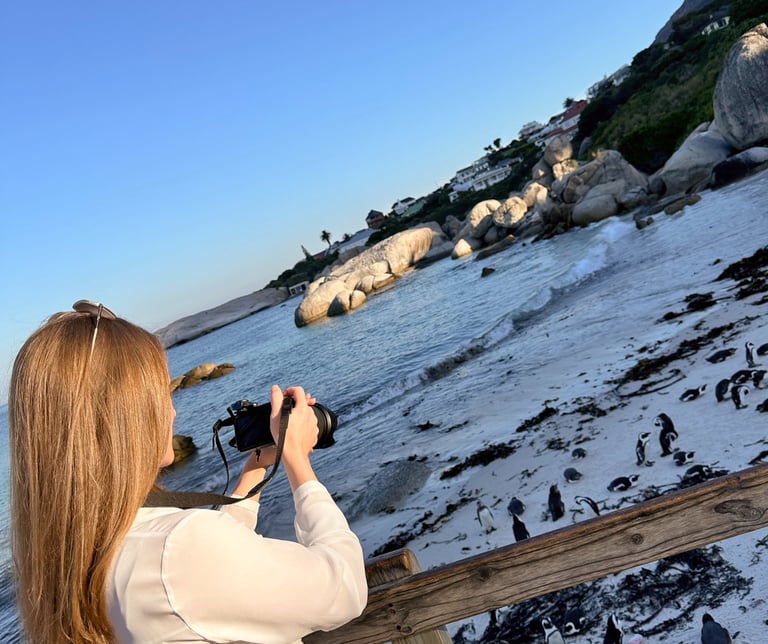
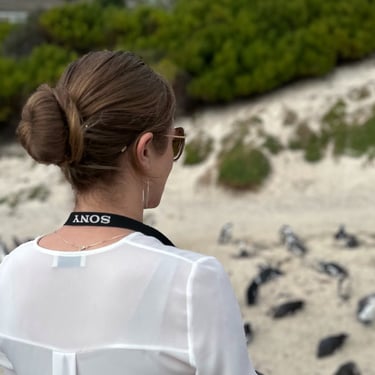
I did wear white a few times. It worked well on self drives in a closed vehicle or when visiting the penguins in Simon’s Town. On open safari vehicles, I usually layered something neutral over it so it didn’t stand out.
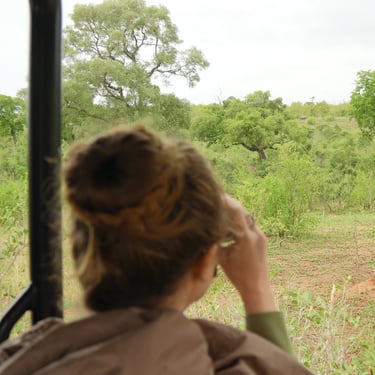
Layering is key. Mornings and evenings can be surprisingly cold, especially in open vehicles where the wind hits differently. A light fleece or sweater with a windbreaker makes sunrise drives much more comfortable. Closed-toe shoes are safest for climbing in and out of vehicles, though flat sandals are perfect around the lodge.
Great options for daytime
Short sleeve shirts or golf shirts
Light long sleeve shirts
Shorts or breathable pants
Comfortable skirt that is easy to climb in and out of a vehicle
Tracksuit or loungewear
Swimsuit
For early mornings and evenings
Fleece or lightweight sweater
Windbreaker or light jacket
Rain jacket in summer months
Scarf, gloves, beanie if you get cold easily
Shoes and accessories
Comfortable closed shoes like sneakers
Flat sandals for the lodge
Sun hat or cap
Bandana or buff for dusty drives
Nicer outfit if staying at a luxury hotel or taking a train journey
Weather and What to Expect
Late October in South Africa is spring moving toward summer. Days can be warm enough for shorts and tank tops, but mornings and evenings are often chilly. Layering is your best friend. Open safari vehicles make the cold feel stronger, so a scarf or buff really helps. Many lodges keep blankets or rain jackets in the vehicle, but check ahead so you know what to expect.
Laundry on Safari
Laundry is one of those small comforts that can make safari life feel easier. Some lodges include it, some charge for it, and it varies from camp to camp. Your travel advisor can check this for you, or you can reach out to the property directly.
On our trip, one lodge offered six pieces of laundry per person each day and the other charged per item. We saved everything for the lodge that included it and it was wonderful to have fresh clothes waiting after a long day of game drives.
Many national park rest camps have simple washing areas for those who want to do their own laundry. If you plan to wash by hand, pack a small travel-sized detergent. Laundry is never glamorous, but on safari it is a tiny luxury that can make life feel easier and fresher.
Health and Comfort
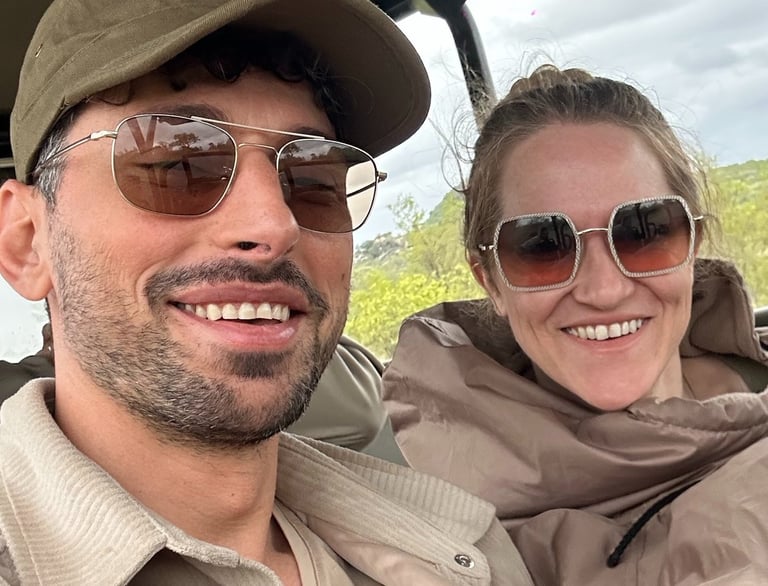
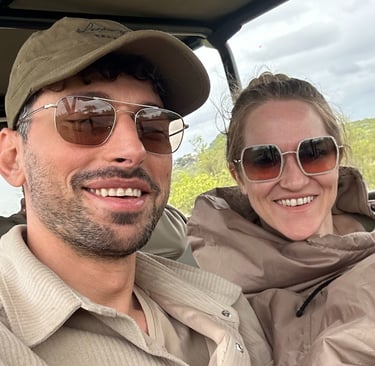
Some safari regions, including Kruger National Park, are malaria zones. Check well in advance to know whether you need malaria medication.
Many lodges supply insect repellent, so it is worth asking before you pack a large bottle.
Useful items
SPF 30+ sunscreen
Lip balm
Moisturiser
Small medical kit with basics like plasters, antiseptic, and pain relief
Polarised sunglasses
Backup glasses if you wear contacts
Luggage Rules
Small safari aircraft
These tiny planes are often used for lodge transfers.
20 kg total including carry-on
Soft, flexible bags only, Approx. 70 x 30 x 33 cm, Hard cases are not allowed
Regular flights like Airlink
Serves Skukuza, Cape Town, Johannesburg, and other hubs
Standard carry-on plus 20 kg checked bag
Hard shell luggage is allowed
Much easier than the smaller bush planes
Gear for a Better Safari Experience
Small backpack for walking safaris
Crossbody or moonbag for game drives to keep essentials secure
Tote bag for layers
Camera with extra memory cards, batteries, and chargers
Binoculars
Dustproof or waterproof cover for camera/binoculars
Charging cables and adapters
Cash for tips (ZAR in South Africa, USD accepted in many other countries)
A Final Note
Safari is one of those experiences that stays with you. The early light. The quiet. The thrill of seeing wildlife just a few feet away. Packing well lets you fully enjoy it. Layers, neutral colors, a little planning for health and laundry, and thoughtful luggage choices are all you need.
If you want help choosing the right lodge, planning your routing, or making sure every detail supports the kind of trip you imagine, we would love to design it with you. Reach out to us and we will guide you through every step with care and clarity.
What to wear on safari
Kruger National Park Packing guide