What If You Spent Your Wedding Budget on a Life-Changing Experience Instead?
We eloped at a 19th-century Ottoman palace on the Bosphorus instead of having a wedding. Then we honeymooned through two countries, and then booked a second one because why not. Here's the honest case for spending your wedding budget on a life instead of a day.
Elaine Brackin
5/14/20266 min read
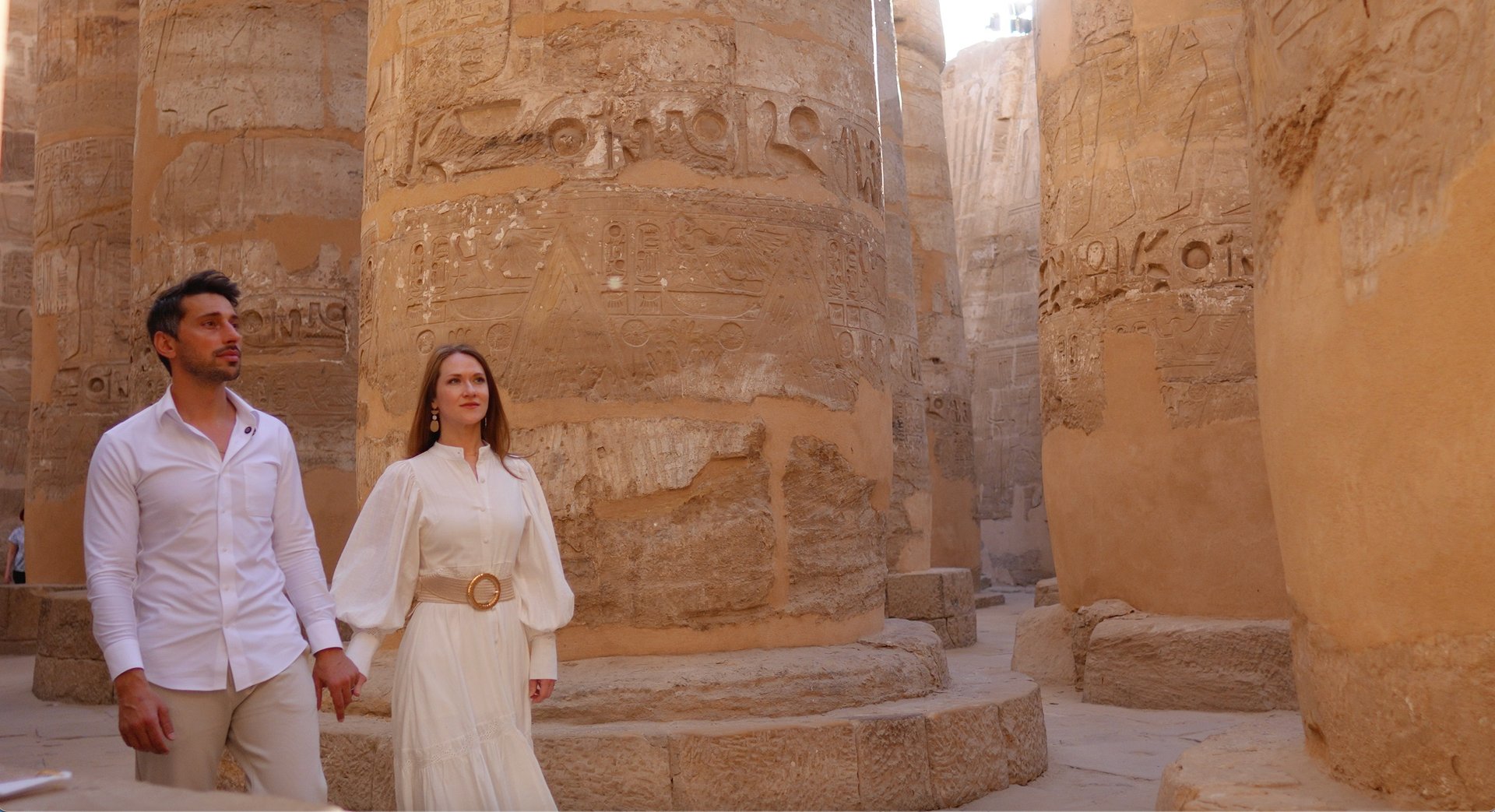
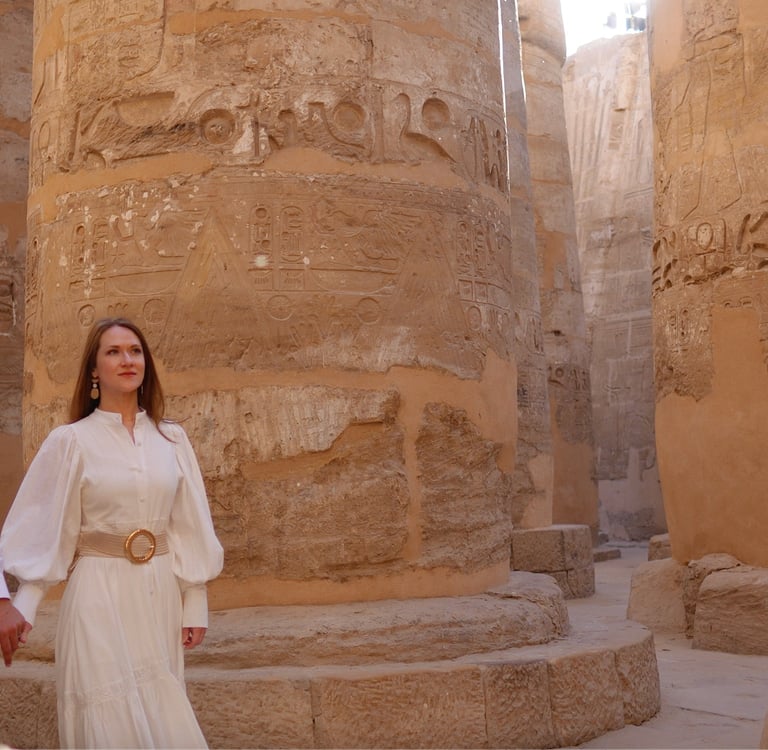
The September air in Istanbul has a particular quality to it. Crisp and golden, the kind of light that makes everything it touches look slightly more significant than it probably is. We were standing in the gardens of Adile Sultan Palace on the Asian shore of the Bosphorus, the water doing what the Bosphorus always does: moving with purpose in both directions at once, carrying ships and history and the particular chaos of a city that has never quite decided which continent it belongs to.
There is a certain irony in eloping at Adile Sultan Palace. Built in 1861 for an Ottoman princess, it is today one of Istanbul's most celebrated wedding venues. Turkish brides travel from across the country to be photographed here. We arrived as a party of two with a tiny cake and a couple photographers who mostly directed us in Turkish, and quietly had one of the most meaningful days of our lives in a place designed for grand occasions.
The palace was named for Adile Sultan herself, the only female poet in the Ottoman dynasty. She wrote verse and outlived her husband. Before her death she donated the grounds to the state, and the girls' school she envisioned still stands on the hillside below. The palace itself was restored and reopened as an event venue. We did not know all of this on the day. We just knew the view from the gardens was extraordinary, and the butler called me yenge, and the cake arrived on time and was exactly what we had dreamed of.
The average American wedding costs somewhere between $30,000 and $35,000. We did not spend that. What we did instead was get engaged in Montenegro, elope in Istanbul, meet the in-laws in Paris instead of throwing an engagement party, honeymoon through South Korea and Japan, and later travel to Egypt and South Africa because marriage felt worth celebrating more than once.
We have been asked, more than once, if we regret not having a wedding. The honest answer is no. Not even a little.
The Real Cost of a Traditional Wedding
Here is what that $30,000 typically buys: one day. One venue. Catering for people some of whom you barely know. A dress you will wear once. Flowers that will be dead by Sunday. A photographer trying to document joy that, if you are like many couples, is partly obscured by the stress of pulling it all together.
We are not judging the traditional wedding. Some people want exactly that and they should have it. But we want to ask the question that nobody seems to ask out loud: what else could that money do?
What if it funded three weeks moving through South Korea and Japan, staying in ryokans, eating things you cannot name but will spend years trying to find again? What if it paid for the kind of hotel in Istanbul where the bathtub looks out over the water and a butler brings coffee before you think to ask for it? What if it covered temples in Luxor, horseback riding in Hurghada, a dinner with family in Paris, and a safari in South Africa? What if the wedding was just the beginning of the story, instead of the whole chapter?
What We Did Instead
We got engaged in Montenegro. We handled the legal paperwork quietly and without ceremony. We flew to Paris and vacationed with some of the family on my side, which was more meaningful than any engagement party could have been because it was just us, eating well, sharing adventures and spending quality with our loved ones.
Then Istanbul for the elopement itself. A 19th-century palace on the Bosphorus. A team that felt almost like a production crew: a dressmaker, a makeup artist, a photographer, a videographer, and a palace butler who treated the whole thing with the gravity it deserved. The dress I could actually move in, after considerable negotiation with the one I could not sit down in. The cake that took three conversations to source correctly and arrived perfect.
It was not seamless. I had a panic attack during the makeup trial. I almost canceled the whole thing five or six times. And then the day came and none of that mattered, because I let it go, and it was one of the most genuinely joyful days of my life.
After Istanbul there was Seoul and Tokyo. Then later, Egypt and South Africa, because we had decided that marriage felt worth celebrating more than once and we were not going to apologize for that.
None of this happened because we are particularly wealthy. It happened because we made a deliberate choice about where the money was going, and then we used it well.
How to Actually Fund the Trip
This is where I get practical, because the aspirational part is only useful if you know how to execute it.
The signup bonuses on travel rewards credit cards are, when used strategically, genuinely significant. If you are planning a destination elopement, honeymoon, or any international trip with multiple hotel nights and flights, you are almost certainly going to be spending enough to hit the bonus thresholds through normal spending before you even leave. Those bonuses can cover flights outright, or several nights at hotels you might otherwise consider out of reach.
The cards I personally use and recommend:
IHG Premier Card for hotel points that accumulate fast and can cover multiple nights at properties worth staying in.
Marriott Bonvoy Brilliant via Amex for anniversary night credits, suite upgrades, and a points currency that travels well across a wide range of properties worldwide.
Capital One Travel Card for flexibility, strong earning on travel purchases, and the ability to erase travel charges after the fact.
United Explorer Card for flights, checked bags, and priority boarding when you are already managing a dress bag and a ring box and you really do not need more friction.
Start early. Use them for regular spending in the months before your trip. Let the points accumulate before you need them.
One thing worth saying clearly: these cards only work in your favor if you treat them like cash. Spend what you have, pay the balance in full every month, and the points are essentially free money on top of what you were going to spend anyway. The goal is not to fund a trip on debt. It is to let normal, planned spending work harder for you in the months leading up to the trip.
Why a Travel Advisor Changes the Equation
Here is something the internet does not tell you clearly: booking through a travel advisor usually costs the same as booking direct, and sometimes less. What you get in return is not just convenience. It is access.
I book hotels for my clients through preferred partner programs that unlock things you cannot add to cart on your own: room upgrades, early check-in, late checkout, welcome amenities, spa credits, and the quiet attention from hotel staff that makes a stay feel designed for you specifically. For an elopement or honeymoon, these details are not trivial. A suite upgrade on your first night, a bottle of Champagne waiting in the room, a hotel that already knows it is a celebration before you arrive: these things matter.
A good advisor can also help you use your points strategically. Knowing which nights to pay cash and which to redeem points, which properties offer outsized value for your specific card, and how to layer benefits across programs is genuinely complicated. I do this for clients regularly and it saves real money, often more than enough to offset any difference in booking cost, which is typically zero.
Beyond the logistics, there is something to be said for having someone in your corner who knows the destinations, has done the vetting, and can quietly handle what goes wrong before you notice it was going wrong. When you are trying to be present for one of the most meaningful trips of your life, that matters more than it sounds.
The Question Worth Sitting With
We did not spend our wedding budget on a wedding. We spent it on Istanbul in September, on the golden light over the Bosphorus from the gardens of a palace built for an Ottoman princess who wrote poetry and outlived everyone's expectations of her. We spent it on a dinner with family in Paris instead of an engagement party, on Seoul and Tokyo, on temples in Luxor and horseback riding in Hurghada, on a safari in South Africa, and a second honeymoon we booked simply because we wanted to celebrate again.
We did not feel like we missed anything. We felt like we chose everything.
If you are in the middle of planning and the budget is becoming a source of stress rather than joy, it might be worth asking what you are actually planning for. The marriage, or the day?
Both matter. But only one of them lasts.
Ready to Start Planning?
If you want help designing a destination elopement, honeymoon, or the kind of trip that makes the whole thing feel like the celebration it deserves to be, reach out. I work with couples on exactly this, from hotel selection and points strategy to the full itinerary.
And before anything else: sort the travel insurance.
Faye travel insurance is what I recommend to every client. For a trip with this much emotional weight attached to it, peace of mind is not optional.
This is part two of our elopement story. If you missed part one, start there for the full planning breakdown, the panic attack, the dress that would not let me sit down, and everything we learned.
This post contains affiliate links. If you book or purchase through my links, I may earn a small commission at no additional cost to you. I only recommend products and services I personally use or have vetted.