How to Start a Travel Blog (And Actually Keep Going)
When you know you are going to write about something, you pay a different quality of attention. You ask the extra question. You sit with a place a little longer. You do the thing you might have skipped.
Elaine Brackin
6/9/20266 min read
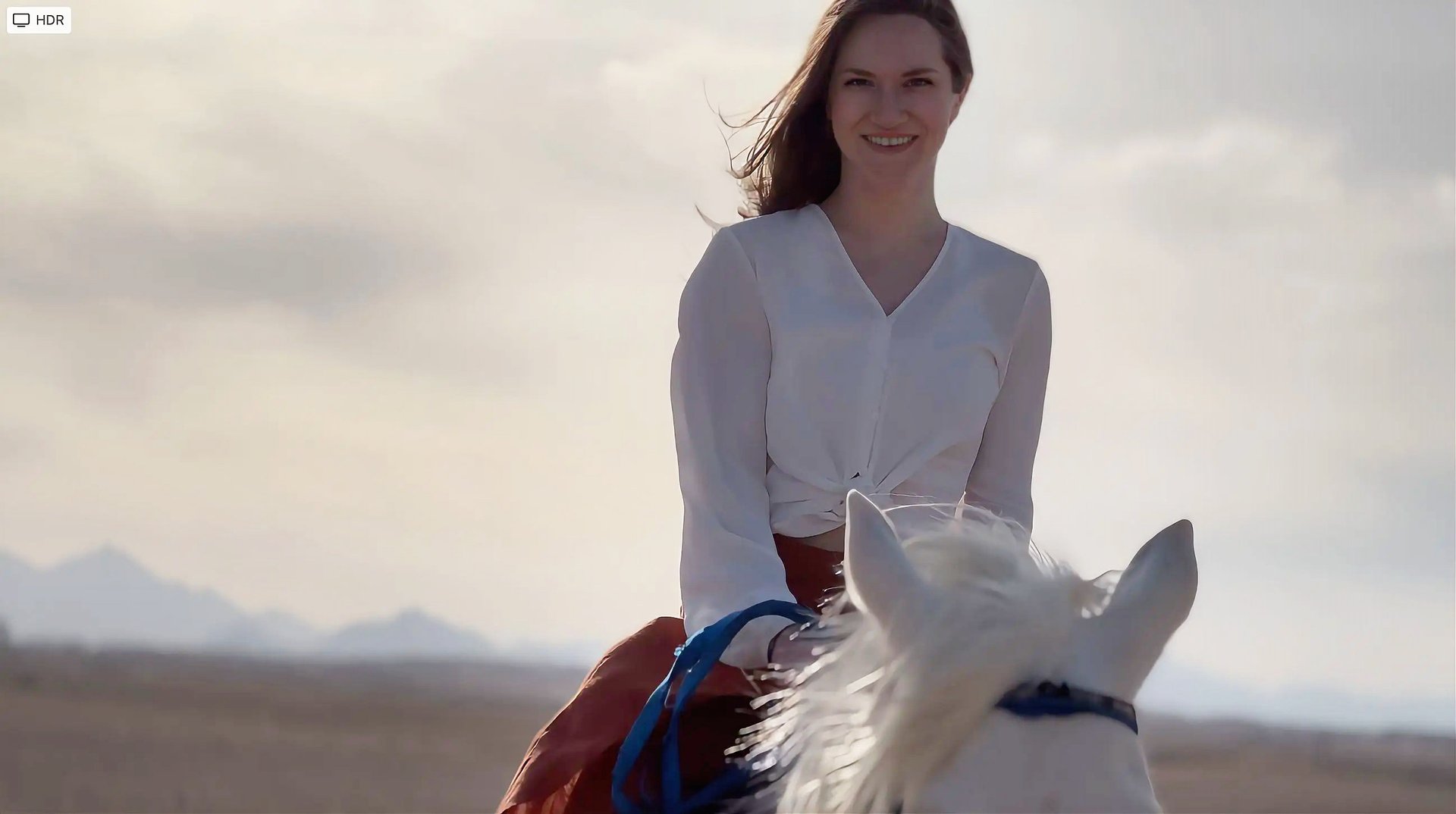
How to Start a Travel Blog (And Actually Keep Going)
By Elaine, Passport Dates
I wanted to be a travel journalist when I was young.
Not in the dreamy, vague way children want to be astronauts. I mean I was already doing it. I made little handmade newspapers for our family. Typed up newsletters. Put together recipe books that my family still uses today, formatted with great seriousness on WordPerfect, printed and stapled and distributed like I was running a small publication out of my childhood bedroom.
That instinct never went away. It just got buried under life for a while.
Then we went to South Africa. And I came home frustrated in the best possible way: I had scoured the internet for practical, personal information before that trip and could not find what I actually needed. Not the glossy version. The real version. What it felt like. What to expect. What nobody tells you.
So I decided to be the person who writes that.
Passport Dates is two years old, and we have been traveling together for under three years, which means this blog is still young and still finding its shape. But it already does something I did not fully anticipate when we started. It changes the travel itself.
Why Most Travel Blogs Die Before They Start
The advice most people get sends them in the wrong direction immediately.
They are told to pick a niche, do keyword research, study their competitors, define their target audience. All of this is fine eventually. But if you lead with strategy before you have any idea what you actually want to say, you will write content that reads like a brochure and feels like homework. You will stop within three months.
Start instead with the South Africa problem.
What is the trip you took where you could not find the information you actually needed? What is the experience you had that nobody had written about honestly? What do you notice when you travel that you never see reflected back to you anywhere online?
That frustration, that gap, that specific angle only you can see, that is your blog.
The Personal Part (Which Is Also the Practical Part)
Here is something I did not expect: the blog changes the travel.
When you know you are going to write about something, you pay a different quality of attention. You ask the extra question. You sit with a place a little longer. You take the video you might not have taken. You do the thing you might have skipped.
We had twenty minutes blocked for Pashupatinath Temple in Kathmandu. We were there to film footage for YouTube, quick b-roll, a few impressions, then move on. We stayed three hours. The open-air cremations along the Bagmati River, the priests, the smoke rising into the fog, the families gathered on the opposite bank, the whole weight and tenderness of it. We stood on the ghats and neither of us could name what we were feeling because it was too many things at once, grief and reverence and something close to awe, the particular sensation of watching a ritual that has been performed in that same place for centuries, and realizing that the world is so much larger and older and more serious than your itinerary suggests.
We will write that post properly one day. It deserves it.
But we were there because the blog gave us a reason to stop. Without it, we might have glanced at it from a distance and kept walking.
That is what documentation does. It is not just a record of where you went. It is a practice of noticing. The blog is why we stayed.
On Platforms: Why I Stopped Switching
I tried several platforms before I found one I could stay consistent on. Too complicated to update without a technical background, or too limited to grow with, or just unstable enough to make posting feel like a chore with an anxiety tax attached.
Consistency is everything in blogging. Not volume, not posting every day, but showing up reliably over time. Readers need to know when to expect you. You need a platform that does not punish you for logging in.
I use Hostinger, and this is not sponsored. Nobody asked me to write this. I am recommending it because it is the reason I stayed consistent after years of platform-hopping, and that is the only reason anything gets recommended around here.
If you want to get something live quickly, their Horizons AI website builder walks you through the setup and gives you a real starting point rather than a blank screen. For a full WordPress site with more control, these standard hosting plans are where I would point you, and that link gets you 20% off. The discount code is PQPMYPASSQNG if you need it separately.
WordPress has a learning curve. Hostinger makes it less steep than it sounds.
How to Actually Write the Thing
Write like you talk to someone you trust.
Read your draft out loud before you publish. You will hear immediately where it sounds stiff or where you are performing rather than speaking. Cut those parts.
Include what went wrong.
Every trip has something. The booking that fell apart, the afternoon you were too tired to enjoy where you were, the restaurant that was nothing like the photos. Those moments are what readers remember. They are also what makes them trust you.
Do not explain your feelings. Show the moment.
Paula McLain writes about Africa as a place that "got at you from the outside in and never let up, and never let you go." That is not a description of a feeling. It is a feeling. Aim for that. Not "the temple was overwhelming" but the smoke, the river, the families on the far bank, and the fact that we did not leave when we said we would because something held us there that we could not name yet.
Do not try to cover everything.
One specific, well-told story from a destination will do more for your blog than a list of forty things to do there. Specificity is what makes writing memorable. Generality is what makes it forgettable.
On Making Money (Or Not)
I do not currently monetize Passport Dates in the traditional sense. The blog exists to share our journeys honestly and, when someone reads it and thinks they want to go, to give them a way to book through us as travel advisors. That is a different kind of return, and it is the right one for where we are.
You may want to monetize. That is completely legitimate. Affiliate links, brand partnerships, digital products, there are real ways to earn from a travel blog.
My one piece of advice: build the trust before you build the revenue. Readers can sense the difference between a recommendation that comes from genuine experience and one that comes from a commission rate. Be useful first. Be honest always. The rest follows.
Getting Found: What Actually Works
Since findability matters, a few things that genuinely help:
Write the post nobody else has written. Not a generic destination roundup. The specific, honest account of what your particular trip was actually like. Search engines are increasingly good at surfacing real experience over recycled content.
Use the words people actually search. If you are recommending Hostinger, say "Hostinger discount code" and "Hostinger promo code" and "20% off Hostinger" naturally in the post, the way you would if a friend asked. Not in a list, not awkwardly. Just in the course of explaining what the deal actually is.
Be consistent over time. A blog with thoughtful posts published steadily over a year will almost always outrank a blog with many mediocre posts published in a sprint. Google is not just counting posts. It is measuring trust built over time.
Link between your own posts. When you mention South Africa, link to your South Africa content. This builds the internal structure that helps search engines understand what your site is actually about.
The Thing I Would Tell Younger Me
Start before you are ready.
I had the instinct for this when I was making family newsletters on WordPerfect. The technology now is so much more forgiving, so much more accessible, so much more designed for people who want to write rather than people who want to code.
You do not need a perfect design or a perfect posting schedule. You need something real to say and somewhere to say it.
Get the place sorted. Then say the thing.
Ready to start: the Hostinger Horizons builder is the fastest way to get something live. For a full WordPress site, these Hostinger hosting plans give you 20% off with code PQPMYPASSQNG. Neither requires a technical background.
This post contains a referral link for Hostinger. If you use it, I receive a small commission at no additional cost to you. I was not paid to write this post and was not asked to recommend Hostinger. I use it, I like it, and that is the whole story.